

Understanding How Retail Trends are Being Revolutionized by AI in 2023
In the ever-evolving landscape of retail, technological innovation plays a pivotal role in shaping customer experiences and streamlining operations. A prominent factor in this transformation is the integration of Artificial Intelligence (AI) — a trend swiftly gaining traction within the retail industry. This blog post explores the impact of retail trends AI by examining real-world applications and future forecasts.
The Growing Influence of AI in Retail
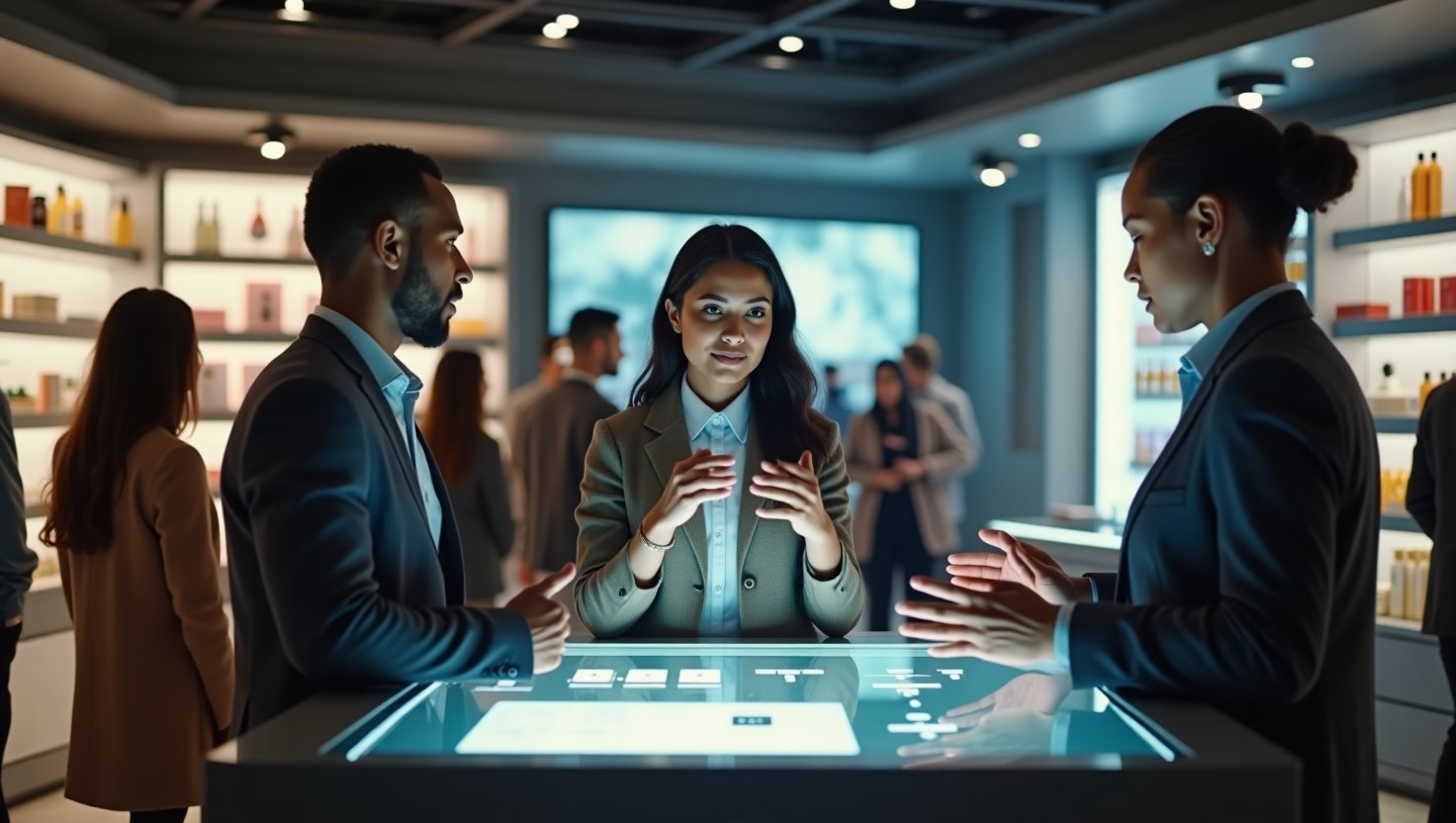
The integration of AI in the retail sector is not merely a trend but a transformative force. Companies like Walmart and Dollar General are leading the charge in utilizing AI to enhance customer experiences and operational efficiency. For instance, Walmart has unveiled a suite of AI-powered tools for the holiday season. Features in their app now allow customers to locate items in-store, view personalized deal listings, and create custom wish lists, elevating both in-store and online interactions source.
To draw an analogy, think of AI as the new-age personal shopper — it anticipates your needs, offers timely suggestions, and guides you efficiently through your shopping journey. This paradigm shift is not only about implementing new technologies but about redefining how retailers connect with consumers.
Implementations Across Market Leaders
Walmart’s holiday strategy highlights how companies are harnessing AI to remain competitive. By leveraging AI-driven insights, Walmart has reportedly increased customer spending by 25% for users of their in-store app. These tools not only enhance the shopping experience but also optimize inventory management, thereby promising a seamless supply chain operation.
Similarly, Dollar General has embraced AI through strategic appointments aimed at digital transformation. The appointment of Travis Nixon as Senior Vice President of Artificial Intelligence Optimization underscores their commitment to integrating AI across supply chain, store operations, and merchandising source.
AI’s Role in Shaping Customer Experiences
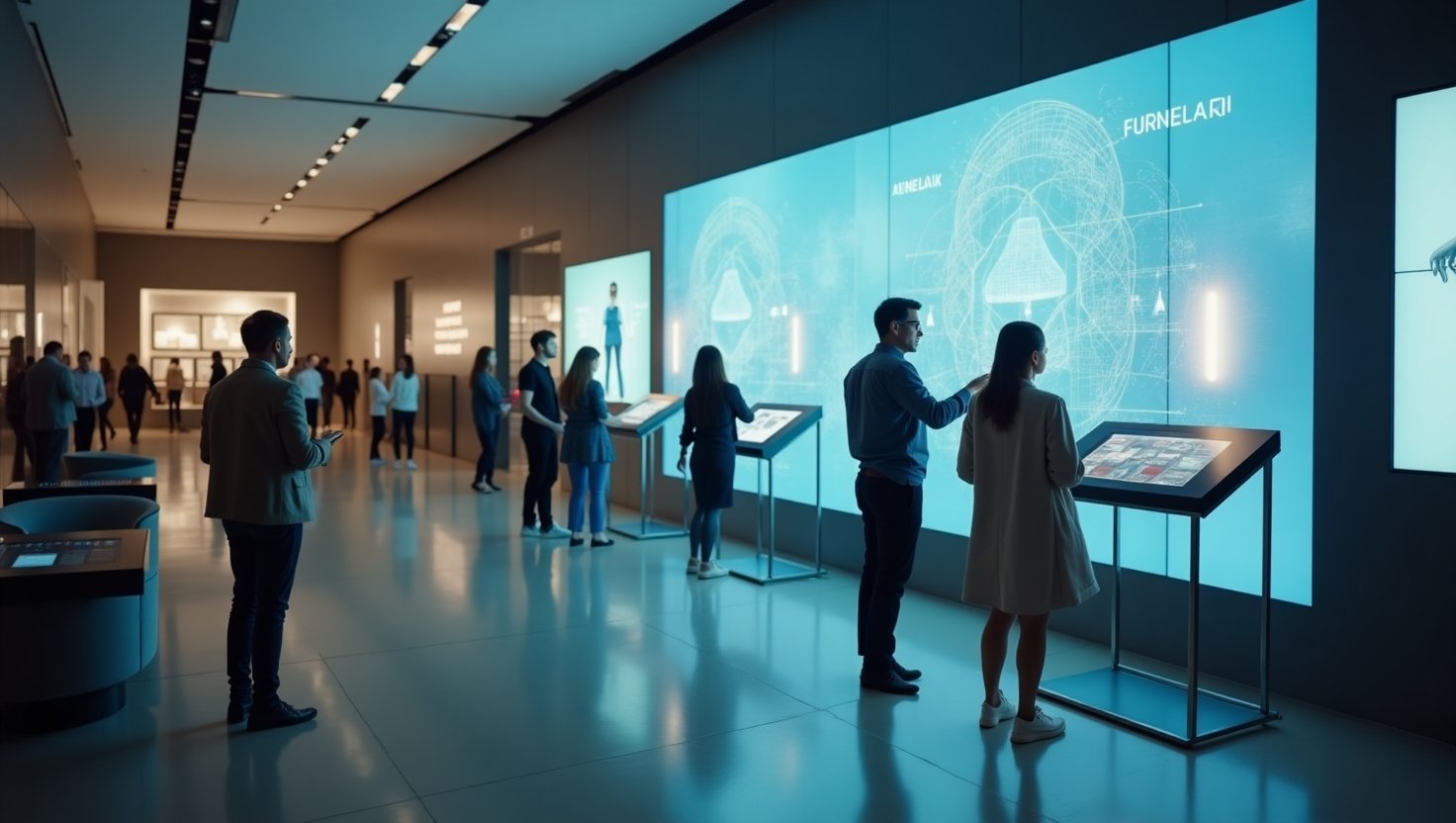
AI’s potential in shaping customer experiences cannot be understated. Features such as predictive analytics, personalized recommendations, and augmented reality shopping fall under the broader spectrum of AI applications in retail. Walmart, for example, employs their AI assistant, Sparky, to curate event supplies tailored to individual preferences, enhancing the personalization of shopping experiences.
An apt example to consider: just as Google Maps revolutionized navigation and planning for travelers, similarly, AI is transforming shopping into a more intuitive and engaging experience by removing friction points and anticipating consumer needs.
Future Prospects and Implications
The advancements in AI in retail forecast a future where customer service and shopping experiences become increasingly personalized and efficient. As nearly two-thirds of consumers plan to utilize generative AI tools for their holiday shopping this year, the momentum for AI’s role in retail shows no signs of slowing down.
Retailers can look forward to further innovations such as AI-driven customer support chatbots and augmented reality fitting rooms, which could redefine the boundaries of online shopping source.
In conclusion, while AI in retail presents numerous opportunities for enhancing efficiency and customer satisfaction, it also invites a conscientious effort from companies to balance technology with human interaction. As these trends continue to unfold, retailers will need to adapt and evolve, maintaining customer trust and delivering unparalleled service.
With the rapid integration of AI, retail’s future prospects appear not only optimistic but also fundamentally transformative, supplying both retailers and consumers with an enriched experience crafted meticulously by artificial intelligence.