

AI Influencers: Transforming the Dynamics of Consumer Engagement and Retail Innovation
As artificial intelligence (AI) continues to gain traction, a new breed of AI influencers is emerging, shaping consumer engagement and driving retail innovation. This transformation is marked by strategic integration of AI into marketing strategies, supply chain optimization, and enhancements in customer experiences. Navigating the current retail landscape requires understanding the profound role these AI influencers play in shaping trends and forecasts.
The Rise of AI Influencers in Retail
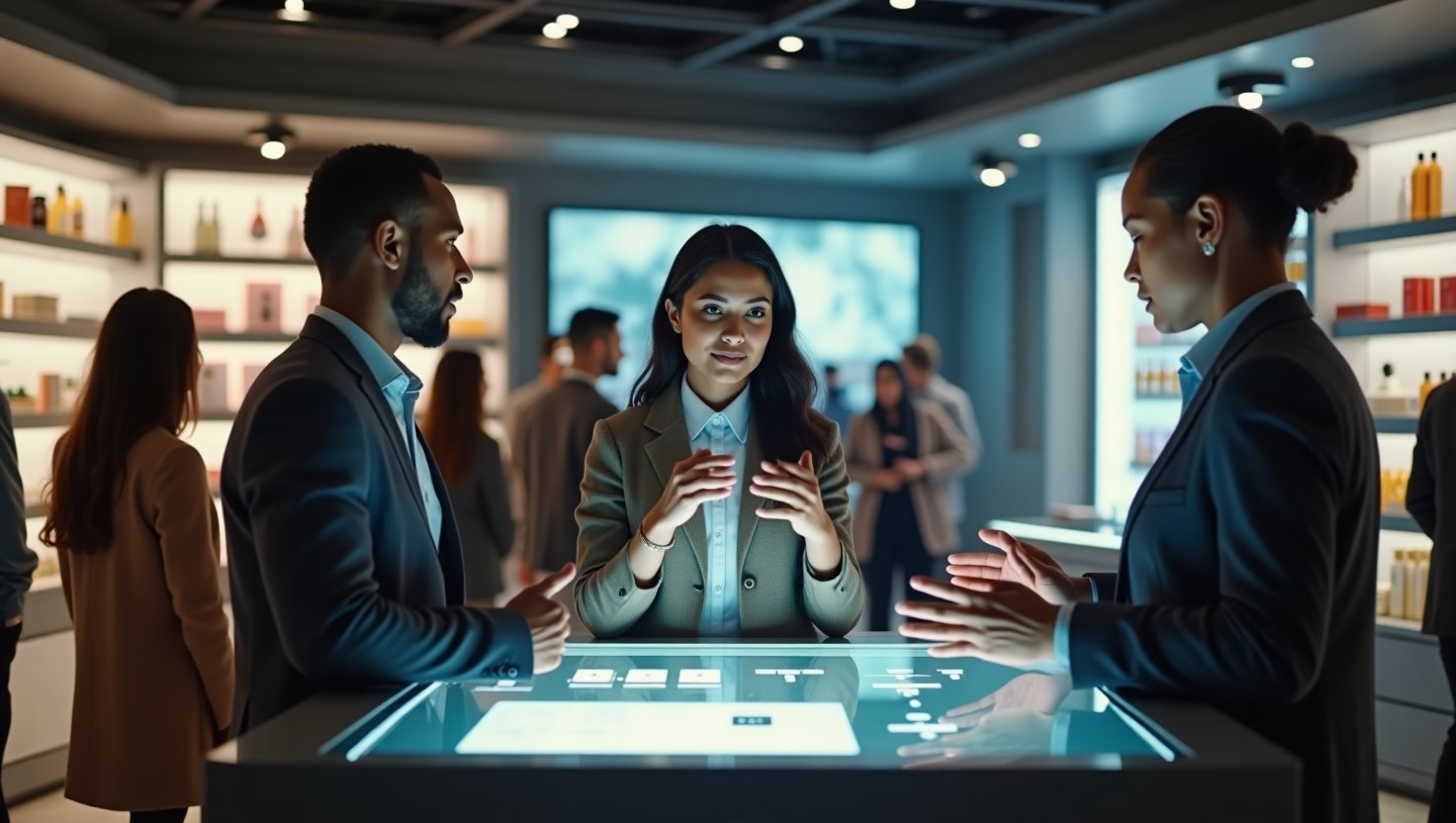
AI influencers are not just limited to social media personalities promoting brands; they encompass technologies and algorithms that significantly affect business strategies. As Travis Nixon, Senior Vice President of Artificial Intelligence Optimization at Dollar General, exemplifies, the influence of AI in retail is expanding (source: Retail Dive). These AI-driven changes reflect a broader digital transformation, evidenced by Dollar General’s remarkable 5.1% sales growth in the second quarter, a signal of successful AI integration into their store operations, supply chain, and merchandising efforts.
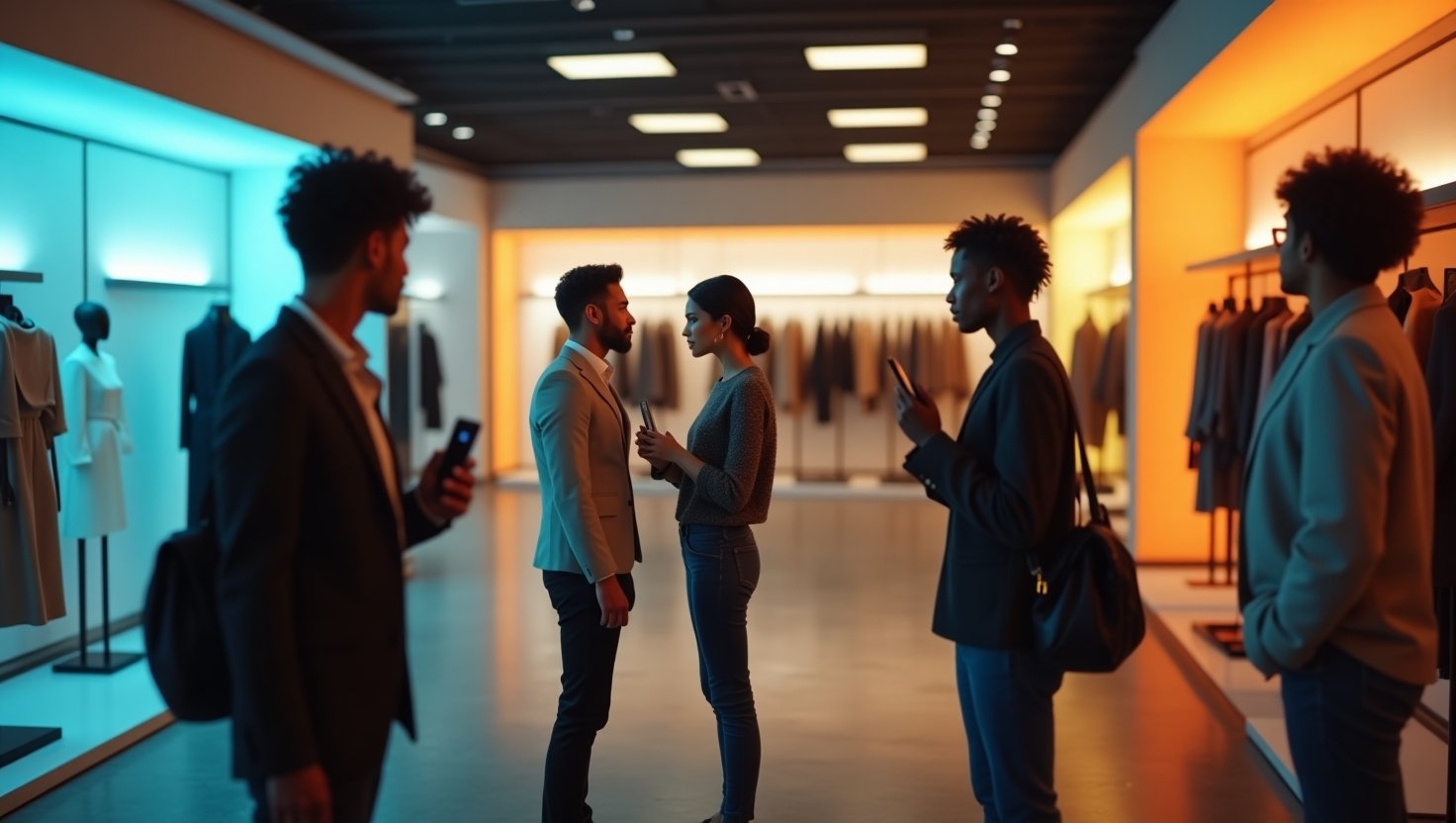
Similar AI innovations at Walmart, which introduced advanced AI tools ahead of the holiday season, are enhancing both in-store and online shopping experiences. The introduction of features in the Walmart app, such as item location tracking and personalized shopping recommendations, indicates a strong commitment to consumer engagement through technology (source: Retail Dive). Notably, app users spend 25% more on average than non-users, showcasing the significant impact of AI on consumer purchase behavior.
Consumer Engagement: The Intersection of AI and Marketing Strategies
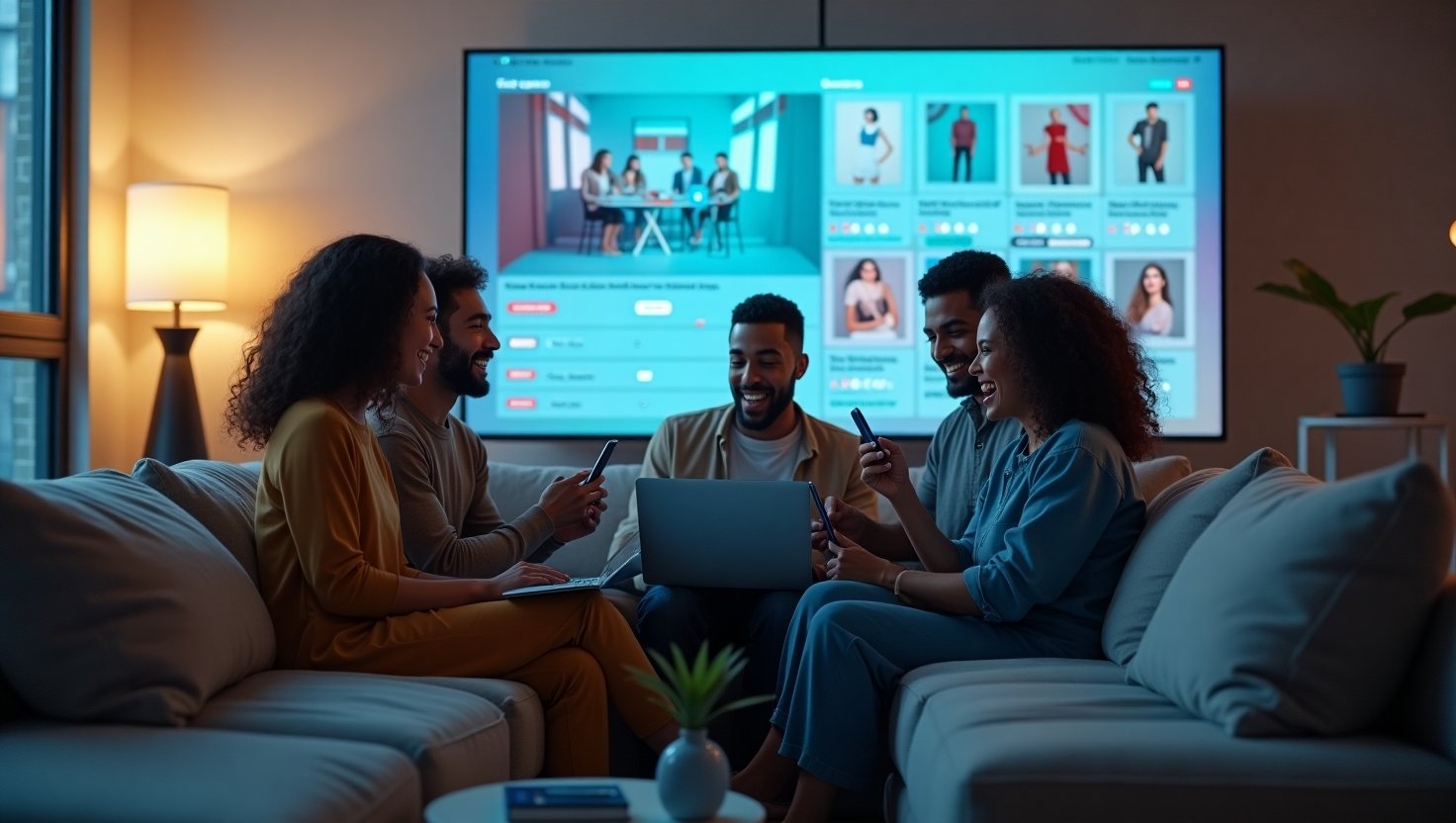
AI influencers are crucial in shaping consumer engagement by transforming traditional marketing strategies. By leveraging AI, retailers can now offer personalized shopping experiences that adapt to consumer preferences and behaviors. For instance, generative AI tools allow for curated recommendations and shopping lists that resonate closely with individual tastes, enhancing satisfaction and retention rates.
An exemplary analogy can be drawn to a personal shopper who knows your preferences, ensuring that each suggestion aligns perfectly with your past choices and anticipated needs. In an era where two-thirds of consumers plan to employ AI tools during their shopping journeys (source: Retail Dive), this personalization is paramount for engagement and brand loyalty.
Future Implications: Forecasting Retail Trends with AI
The influence of AI influencers extends beyond current retail dynamics into future trends and forecasts. As AI continues to merge with retail operations, companies can expect a more seamless integration of technology into the consumer shopping experience. This evolution will not only streamline operations but also create innovative pathways for engaging consumers in novel ways.
Furthermore, as AI tools become more sophisticated, they will likely enable retailers to anticipate consumer needs before they articulate them, paving the way for proactive engagement strategies. This fusion of AI and predictive analytics will redefine consumer expectations, making AI influencers indispensable to success in the competitive retail landscape.
In conclusion, AI influencers are revolutionizing consumer engagement and retail innovation. The integration of AI into marketing strategies and supply chain processes offers a competitive edge, exemplified by successful implementations at major retailers like Dollar General and Walmart. As AI technologies advance, they will undeniably continue to shape retail trends, urging businesses to embrace these innovations strategically for sustained growth and consumer satisfaction.