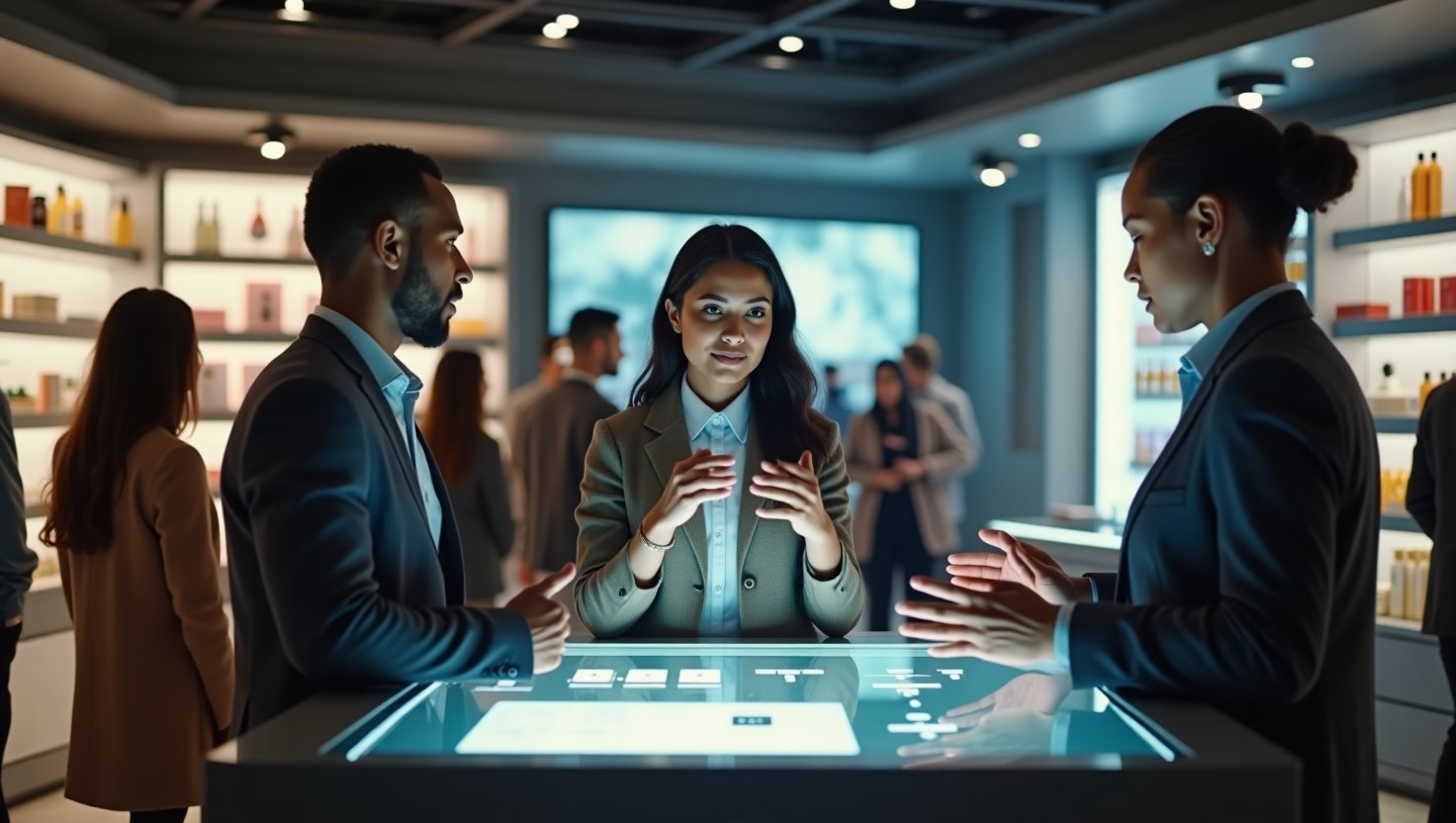



The Retail AI Future: Are We Ready for the Transformation?
The future of retail is being sculpted by the unleashing of artificial intelligence (AI), promising to redefine everything from supply chain dynamics to customer experiences. As we stand on the brink of a retail AI revolution, one question remains: Are we ready to embrace the colossal changes that AI is set to bring—and are we prepared for the potential challenges it might introduce?
The Integration Pioneers: Dollar General’s AI Strategy
Dollar General’s ambitious steps to integrate AI across its operations serve as a defining example of retail AI’s future. The appointment of Travis Nixon as the Senior Vice President of Artificial Intelligence Optimization underscores the company’s commitment to leveraging AI for operational excellence. The retailer aims to enhance its supply chain, store operations, and merchandising through cutting-edge digital transformation strategies. With net sales growing by 5.1% to $10.7 billion in the second quarter, Dollar General is a testament to the powerful impact of strategic AI implementation source.
Consider AI as the motor vehicle revolution in retail. Just as the automobile transformed transportation by revolutionizing speed and accessibility, AI is set to overhaul retail by maximizing efficiency and customizing consumer experiences. Yet, just like cars have traffic regulations to mitigate chaos and danger, the retail industry must prepare for the unforeseen consequences of AI integration.
Walmart’s Holiday Innovations: AI-Powered Customer Experiences
As holiday seasons loom, Walmart is not trailing behind in the AI race. The introduction of a suite of AI-powered tools designed to enhance both in-store and online shopping indicates a broader trend towards digital shopping experiences. Features such as customers using the Walmart app during shopping reportedly increase spending by 25%, highlighting the utility of these digital tools source.
These developments season the retail landscape with opportunities that were previously unimaginable. Imagine entering a store where AI seamlessly guides you to the items on your list, offers dynamic discounts, and curates a personalized shopping experience based on real-time preferences and past behaviors. This level of integration is akin to having a personal shopping assistant whose services are both tailored and instantaneous.
However, these enhancements come with their set of challenges. Privacy concerns loom large as AI systems demand vast amounts of data to deliver personalized experiences. The question lingers: How will retailers strike a balance between providing customized services and preserving consumer privacy?
AI’s Impact on Business Strategy and Supply Chains
AI is not just reshaping customer interactions; it’s also revolutionizing supply chain strategies—a cornerstone of retail success. AI’s predictive capabilities can optimize supply chain operations, limiting excess stock and reducing disruptions. This transformation aligns with initiatives like Dollar General’s, where AI initiatives aim to streamline the supply chain while minimizing costs source.
The implications are profound: businesses can react in real-time to supply chain variations, adapting faster than ever before. Yet, this efficiency comes with dependency on technology that, if it fails, would leave retailers vulnerable. Retailers must consider robust contingency plans to safeguard their operations against potential AI system failures.
Future Forecast: The Five-Year Plan
Looking ahead, the retail AI future portends a marketplace unburdened by the limitations of human error, defined by impeccably personalized shopping experiences, and governed by efficiency-driven supply chains. Retailers not investing in AI risk obsolescence, much like horse-drawn carriages lost to the automobile.
Here’s what the landscape could look like in five years:
– Ubiquitous AI Adoption: Expect the majority of retail players to employ AI in some capacity—from inventory management to customer service.
– Enhanced Personalization: Customers will demand, and receive, highly personalized shopping experiences both online and offline.
– Data Privacy as a Differentiator: Retailers prioritizing transparent data practices will gain consumer trust and loyalty.
In conclusively examining the trajectory of AI in retail, one thing is clear: The retail AI future isn’t just a possibility—it’s an inevitability. The industry must both embrace its transformative potential and prepare for its disruptive capacity. Retailers and consumers alike stand on the precipice of a thrilling, yet challenging, AI-driven era. Are we ready? The answer will define the next chapter in the retail story.