

Consumer Expectations of AI: Revolutionizing Retail by 2025
In the ever-evolving landscape of retail, consumer expectations are undergoing a significant transformation fueled by advancements in artificial intelligence (AI). By 2025, shoppers are expected to demand more personalized and seamless experiences, pushing retailers to harness AI technologies to meet these expectations. This blog explores how consumer expectations are shaping the future of AI in retail, incorporating holiday marketing strategies, and what shoppers will want by 2025.
The Rise of AI in Retail
Artificial intelligence is already playing a crucial role in reforming retail, promising to reshape how consumers shop. From personalized recommendations to AI-driven chatbots, the retail sector is leveraging AI to ensure smoother, more efficient customer experiences. According to a Klaviyo report, over half of consumers plan to use AI during the upcoming Black Friday-Cyber Monday weekend. Additionally, Accenture data reveals that 65% of consumers intend to utilize generative AI tools for their holiday shopping this season source.
Example: Imagine AI as a digital personal shopper who knows your style and preferences better than you do yourself. When holiday shopping, it can suggest the perfect gift, akin to a friend who remembers all your favorite brands and preferences.
Shoppers’ Wants for 2025
With AI becoming more accessible in retail, consumer expectations are not just about product quality but about the entire shopping experience. By 2025, shoppers will likely expect:
– Personalized experiences: Shoppers will anticipate AI to offer highly customized product suggestions based on previous purchases and browsing history.
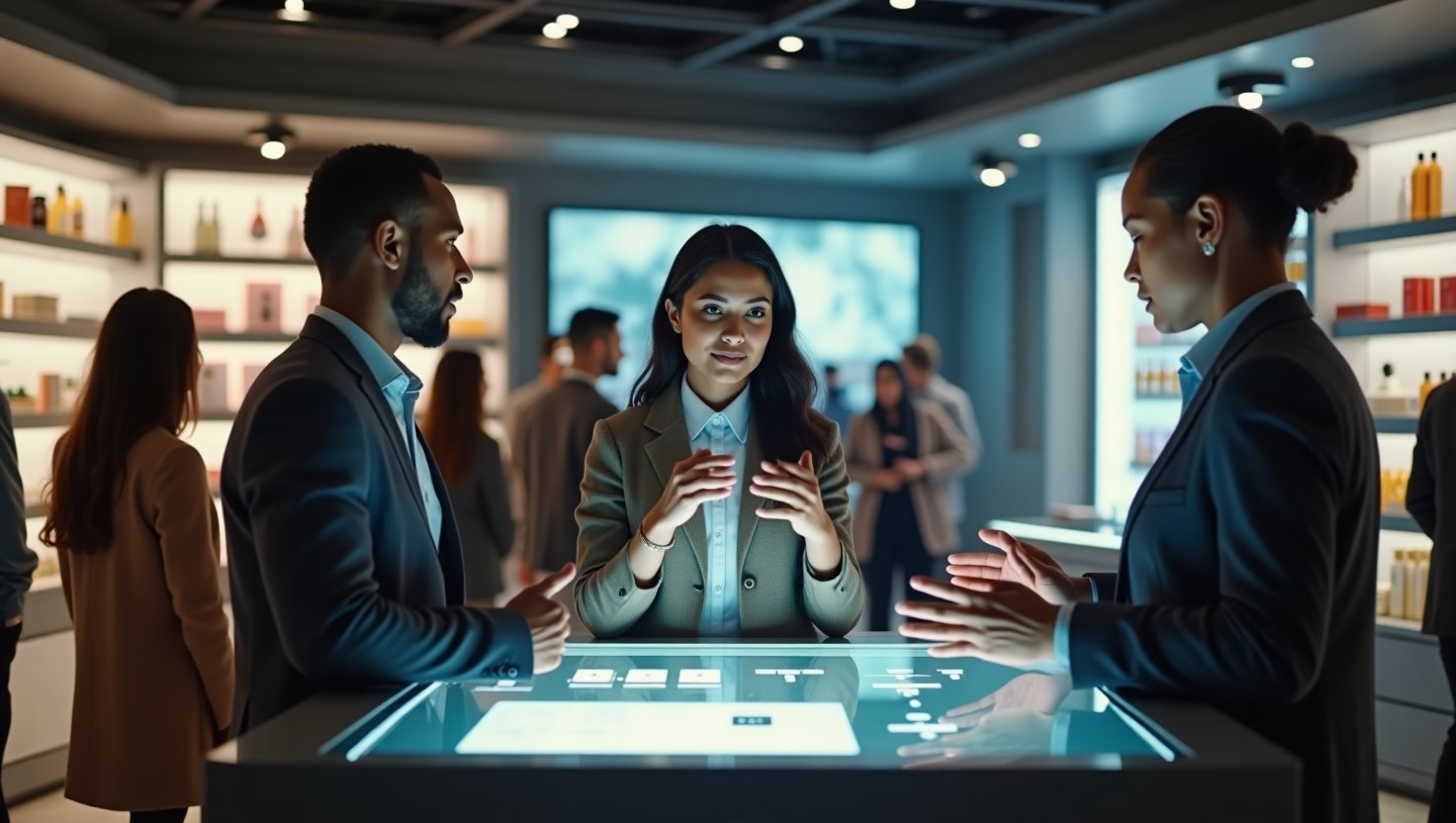
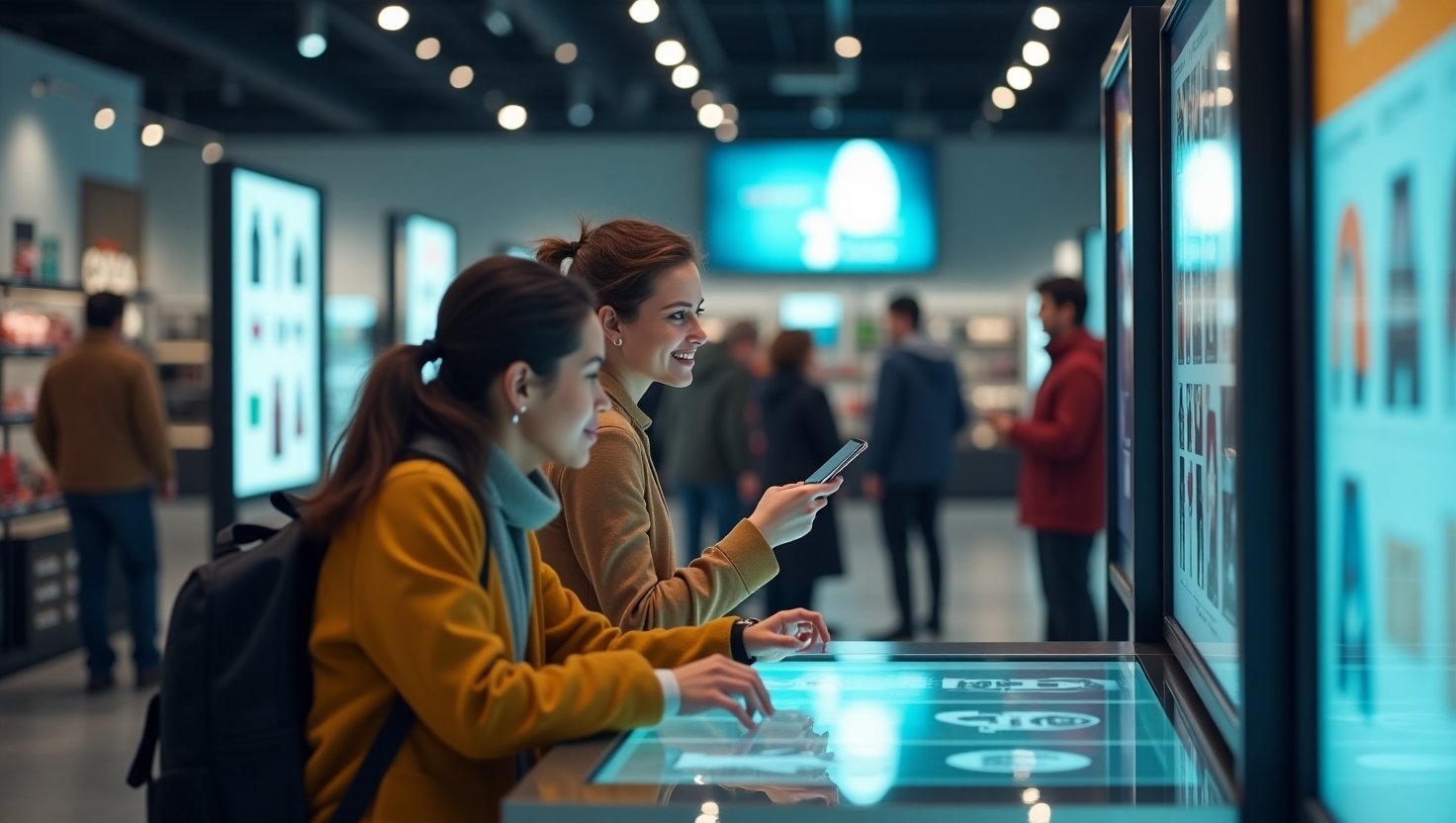
– Seamless interactions: Both online and in-store experiences will need to integrate AI to simplify purchasing decisions, akin to having a knowledgeable assistant guiding you through a store.
– Increased transparency and trust in AI: As AI tools proliferate, consumers will demand assurances about data privacy and how their information is being used.
Incorporating generative AI to understand and predict these expectations will likely become a cornerstone of retail strategy, enhancing both consumer satisfaction and loyalty.
Implementing AI Thoughtfully
Despite the enthusiasm for AI, experts warn against rushing its implementation without considering consumer needs. The rapid adoption of AI technologies should not overshadow the importance of crafting an experience that genuinely resonates with customers. Jill Standish from Accenture emphasizes this cautious approach, noting that retailers should focus on enhancing customer experiences rather than chasing technological hype source.
Analogy: Think of AI adoption like adding spices to a dish—too little, and it goes unnoticed; too much, and it can ruin the meal. The focus should be on the right balance that enhances the dish instead of overpowering it.
Future Implications: Shaping the Retail Landscape
Looking ahead, AI has the potential to revolutionize the retail landscape by offering unprecedented levels of personalization and efficiency. As technology continues to evolve, we can expect:
– Enhanced predictive analytics: AI will refine its ability to predict consumer behavior, offering insights that help retailers anticipate trends and customize offerings.
– Convergence of physical and digital: The boundary between online and offline shopping will blur, with AI facilitating personal experiences that integrate virtual and physical retail spaces.
Retailers that align their strategies with evolving consumer expectations in AI are likely to thrive. By 2025, the most successful retailers will be those who innovate not only in product offerings but also in the experiences they provide, keeping consumer aspirations at the core of their AI integrations.
As we approach this exciting new era in retail, staying informed and adaptable will be key to navigating the changing demands of consumers. The retailers who successfully implement AI not as a gimmick, but as a genuine enhancement to the shopping experience, will lead the way into the retail future.
—
This exploration was informed by perspectives highlighted in data and trends discussed in articles from sources such as the Retail Dive, offering a robust understanding of where consumer expectations and AI intersect in the retail domain.