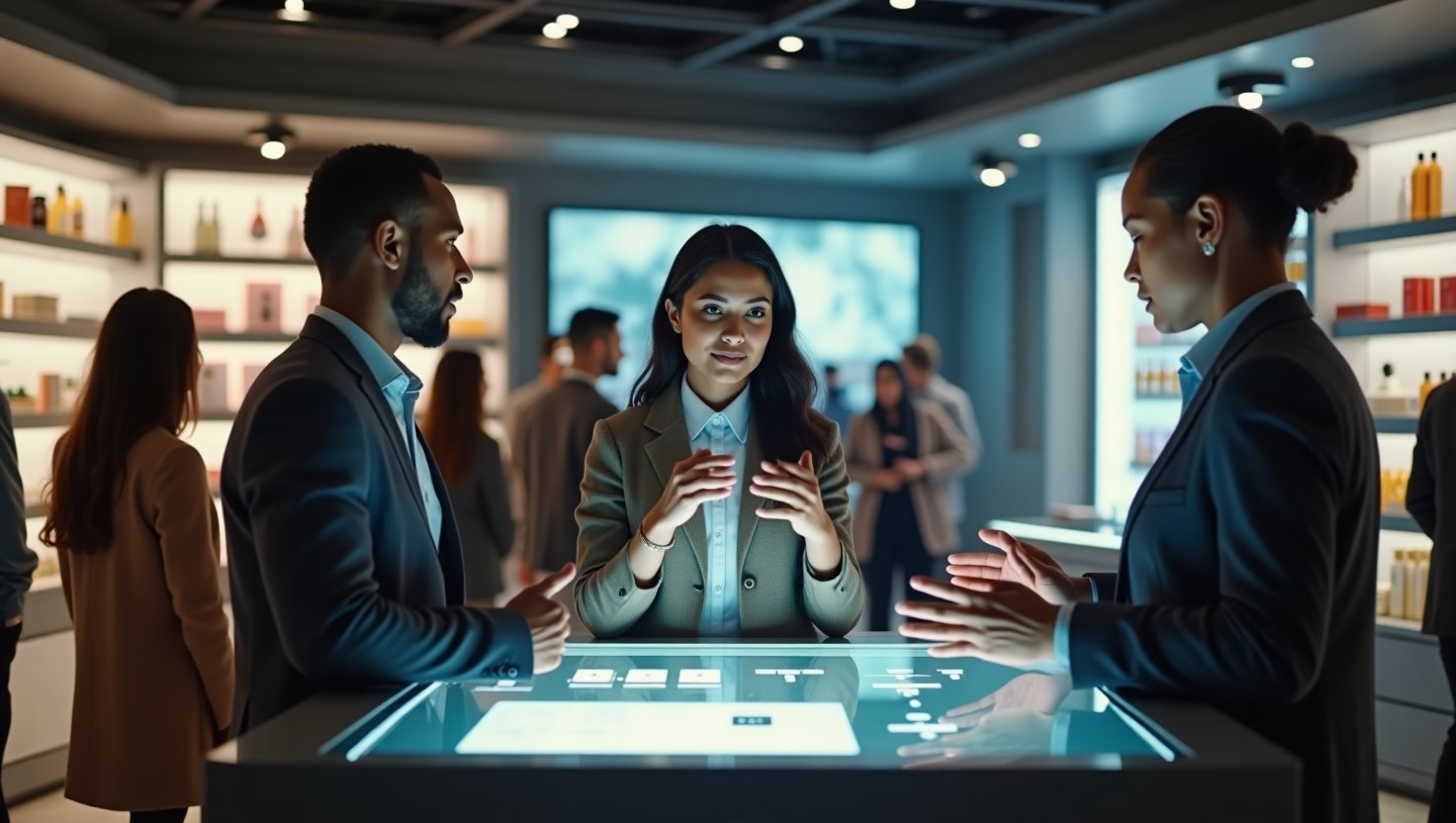



The Rise of AI Shopping Agents: Transforming Consumer Behavior and Retail
Artificial Intelligence (AI) has revolutionized various industries, and retail is at the forefront of this transformation. AI shopping agents are changing how consumers interact with e-commerce platforms, offering personalized experiences that blend convenience with efficiency. In this article, we explore the role of AI shopping agents, their impact on consumer behavior, and future expectations in the shopping realm, with insights from recent legal battles and market trends.
AI Shopping Agents: A New Era of E-Commerce
AI shopping agents operate by analyzing consumer data to provide personalized shopping experiences. These intelligent systems can automate tasks such as searching for products, comparing prices, applying discounts, and even making purchases on behalf of users. This functionality is akin to having a personal shopping assistant who understands your preferences and makes informed buying decisions.
The Case of Amazon vs. Perplexity
A recent legal confrontation between Amazon and Perplexity has highlighted the complexities of AI shopping agents. Amazon sued Perplexity, accusing its Comet AI agents of covertly operating on its platform, leading to unauthorized purchases and potential security risks to customer data (Retail Dive, 2023). This lawsuit not only underscores the challenges of regulating AI technology but also raises questions about user choice and autonomy in e-commerce.
Perplexity argues that its AI promotes user choice by allowing assistants to make purchases, reflecting a clash between consumer empowerment and platform control. This situation can be compared to hiring a personal shopper in a retail store but facing restrictions on what you can buy and how it’s purchased. As e-commerce giants like Amazon strive to maintain control over transactions, the debate over AI agents’ roles becomes increasingly pertinent (Retail Dive, 2023).
Impact on Consumer Behavior and Expectations in Shopping
AI shopping agents are reshaping consumer behavior by offering tailored experiences that enhance convenience and satisfaction. With the ability to handle complex shopping tasks, these agents reduce the time and effort consumers invest in making purchasing decisions.
Holiday Shopping Trends
As the holiday shopping season approaches, consumer reliance on AI tools is set to increase. Research suggests that over half of consumers plan to use AI during shopping events like Black Friday and Cyber Monday, reflecting a growing comfort with AI technology (Klaviyo Report, 2023). However, only a small percentage start their journey using AI tools like ChatGPT, with most relying on traditional search engines.
Retailers are advised to implement AI technology cautiously, ensuring it complements rather than complicates the shopping experience. The goal is to align AI applications with consumer needs, enhancing rather than replacing traditional methods (Retail Dive, 2023).
Future Implications and Forecasts
The integration of AI shopping agents holds significant potential for the future of retail. As technology advances, we can expect more seamless and secure interactions between consumers and AI agents. Enhanced personalization, improved data security, and streamlined e-commerce processes will likely emerge as key focus areas.
Navigating Legal and Ethical Challenges
The legal disputes between companies like Amazon and AI firms highlight the need for clear regulations and ethical standards in AI deployment. Future developments in this sphere will likely involve creating robust frameworks that balance innovation with consumer protection. This could entail transparent guidelines for AI operations and a focus on data privacy and user empowerment.
In conclusion, AI shopping agents are poised to redefine the shopping landscape. By influencing consumer behavior and setting new expectations, these agents are not just an optional add-on but an integral aspect of modern e-commerce. As the industry navigates the challenges of regulation and consumer satisfaction, AI will continue to be a pivotal force in shaping the future of retail.